Wednesday, April 22nd, 2015. New York City – On Thursday, April 30, 2015, will be the forty year anniversary of the ending of the Vietnam War. The Vietnam War period was from Tuesday, November 1, 1955 to Wednesday, April 30, 1975.
“Forty years on from the fall of Saigon: witnessing the end of the Vietnam war.” Martin Woollacott writes for The Guardian.
“When North Vietnamese troops marched into the capital on 30 April 1975, it marked the most crushing defeat in US military history. Four decades after he reported on these events for the Guardian, Martin Woollacott reflects upon what it meant for the future of both nations.”
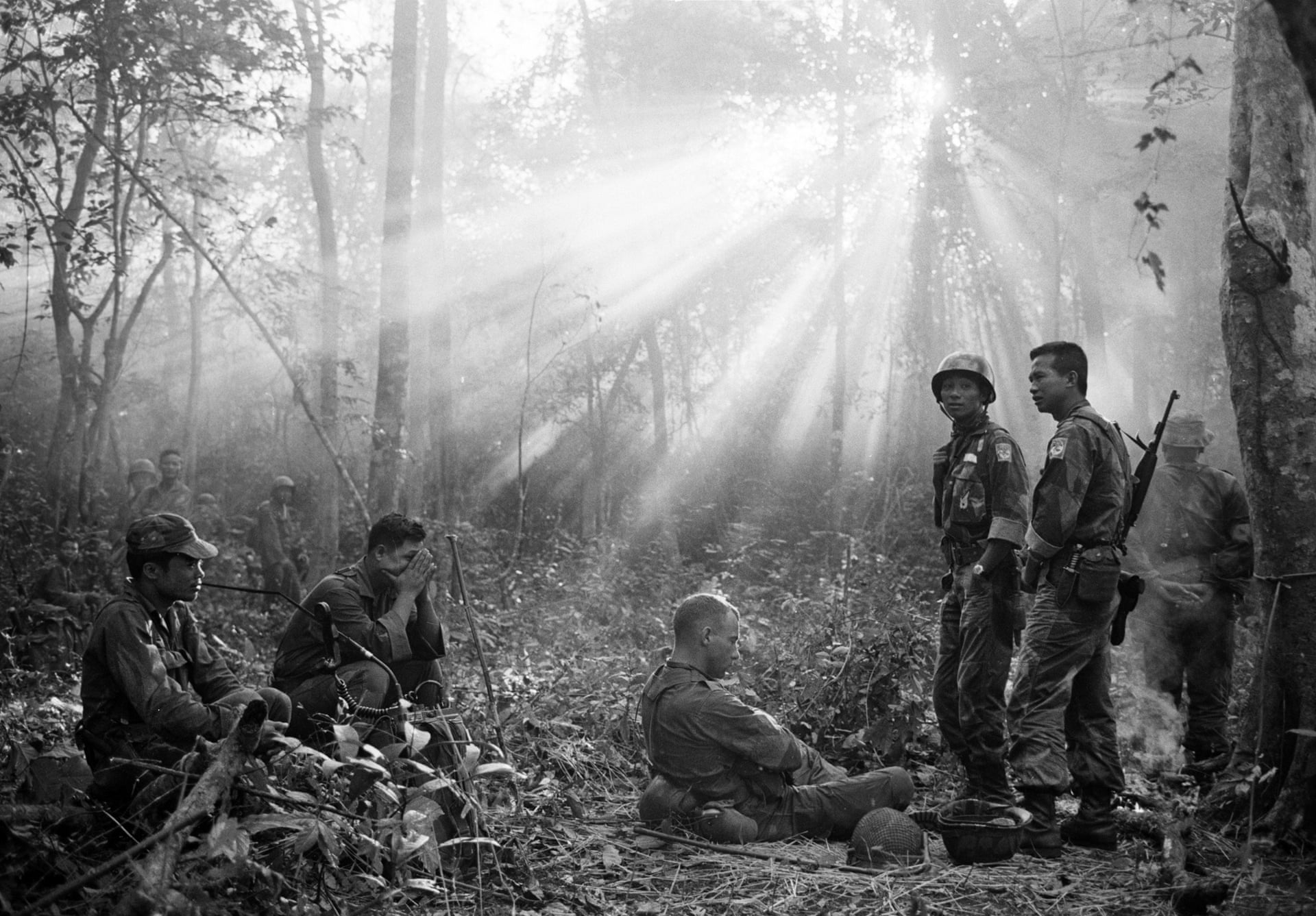
“Vietnam 40 years on: how a communist victory gave way to capitalist corruption.
After the military victory, Vietnam’s socialist model began to collapse. Cut off by US-led trade embargos and denied reconstruction aid, it plunged into poverty. Now its economy is booming – but so is inequality and corruption.” writes Nick Davies on The Guardian.
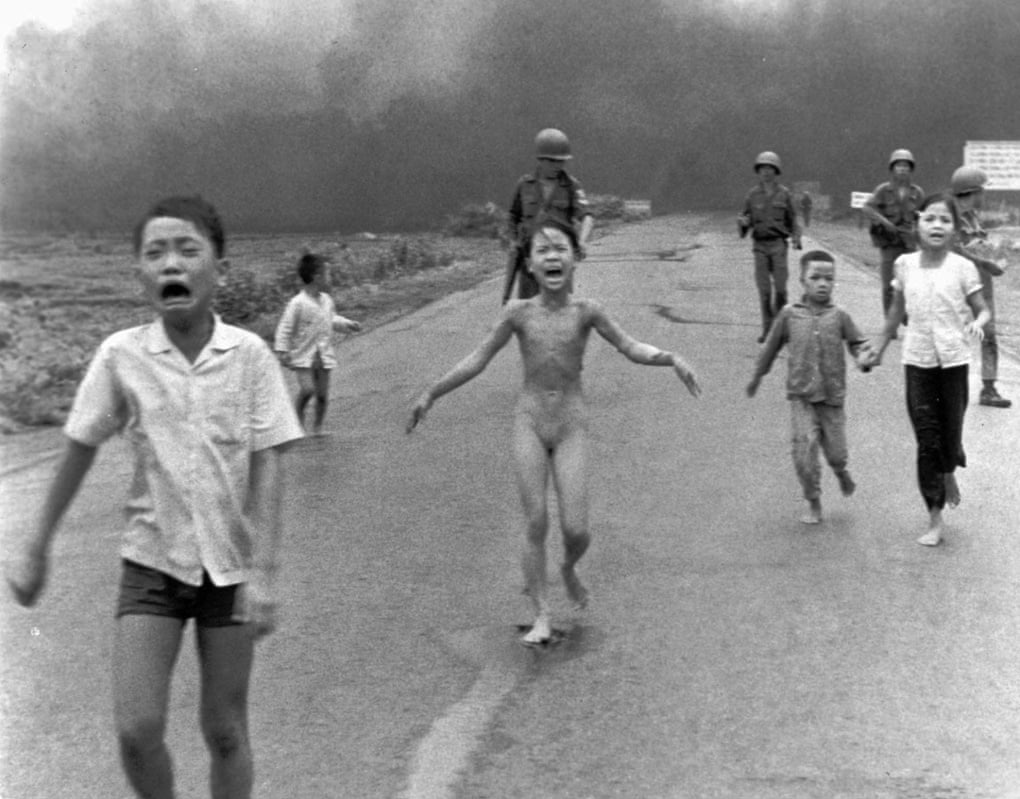
Zen Master Thich Nhat Hanh says in his book “Anger”, “When you drop bombs on your enemy, you drop the same bombs on yourself, on your own country. During the war in Vietnam, the American people suffered just as much as the Vietnamese people. The wounds of war are as deep in America as in Vietnam. Stopping violence is what we have to do do. And we cannot stop violence unless we have the insight that what we do to the other person, we are doing to ourselves.”
He adds, “The majority of us wait until a war breaks out in order to begin some kind of effort to stop it. Many of us do not know that the roots of war are everywhere, including in our own thinking and way of life. We are not capable of seeing the war while it is still hidden. We begin to focus our attention on the war only when the war breaks out into the open and people start talking about it. Then we feel overwhelmed by the intensity of the war. We feel helpless. We take sides and feel that one is right and the other is wrong. We condemn one side, but we have nothing to contribute towards ending the destruction caused by the war.
As a true practitioner, you have to practice looking deeply into the situation to see the war before it starts. You have to begin acting in order to stop the war before it breaks out into the open. With your insight and awareness, you can help other people to wake up and develop the same awareness. Then, together you can act skillfully in order to prevent the war from breaking out into the open.”
You can buy “Anger” and other Thich Nhat Hanh’s books at Barnes & Noble u other bookstores. Your public library might have them too.

Buddhist Monks in War and Protest.
Video published by TIME on May 16, 2008.
TIME’s David Van Biema interviewed Thich Nhat Hahn, the famous zen monk who helped lead protests in the 1960s during the war in his native Vietnam.
“Kill Anything That Moves”: New Book Exposes Hidden Crimes of the War Kerry, Hagel Fought in Vietnam.
Video published by DemocracyNow.org on January 15, 2013.
DemocracyNow.org – “Two of the leading figures nominated to head President Obama’s second-term foreign policy establishment have their political roots in the Vietnam War. If confirmed, Chuck Hagel will become the first Vietnam War veteran to head the Pentagon, while John Kerry will helm the State Department after becoming one of the most prominent veterans to oppose the Vietnam War upon his return from duty. Although Vietnam is far behind them, Kerry and Hagel will now have to contend with the longest running war in U.S. history: Afghanistan. We’re joined by Nick Turse, managing editor of TomDispatch.com and author of the new book, “Kill Anything That Moves: The Real American War in Vietnam.” The title is taken from an order given to the U.S. forces who slaughtered more than 500 Vietnamese civilians in the notorious My Lai massacre of 1968. Drawing on interviews in Vietnam and a trove of previously unknown U.S. government documents — including internal military investigations of alleged war crimes in Vietnam — Turse argues that U.S. atrocities in Vietnam were not just isolated incidents, but “the inevitable outcome of deliberate policies, dictated at the highest levels of the military.”
The Second Front. Vietnam: Combat Veterans Stories.
Video published by Broome County STOP-DWI Program on May 24, 2013.
“This film depicts stories told by Vietnam combat veterans for combat veterans. Each shares one thing in common: the Second Front — the internal battle with Post Traumatic Stress Disorder (PTSD). This can manifest itself as impaired driving on American roads. Upon returning home, these soldiers suffered with the effects of combat trauma in a society where they no longer felt welcomed. Many drank, like the veterans before them, to live day-to-day, for an adrenaline rush, to quell their nightmares. Some also drove drunk, again and again, pushing the limits of safety of themselves and loved ones, pitting themselves against anyone on the road. A few were stopped by police and found the system lenient. After years of living life in extremes, they sought help — and now give help in return.”
Post-Traumatic Stress Disorder (PTSD) is the result of direct personal exposure to an extreme stressor, known as combat stress or combat trauma, which develops into characteristic symptoms of re-experience, avoidance and increased arousal. For those combat veterans who suffer from PTSD, the need for safety and relief dominates their actions and choices. Too often self-medication with alcohol and/or drugs is seen as the only option, which can lead to dangerous decisions like driving under the influence. Even in the absence of alcohol and drugs, flashbacks can induce dangerous behaviors like aggressive or erratic driving on American roads.(2012)
Related videos.
Israeli Palestinian Retreat.
Video published by Dharmacloud monastery on July 20, 2013.
Israeli Palestinian Retreat: Resting in God.
Plum Village France.
The photos on this blog offer a look back at the Vietnam War from the escalation of U.S. involvement in the early 1960’s to the Fall of Saigon in 1975.


Share this post on social networks and leave a comment bellow. You can also “LIKE” my Facebook page and follow me on Twitter. You can contact me directly by filling out this form.
Comparte esta página en las redes sociales. También puedes darle “me gusta” a mi página en Facebook y seguirme en Twitter. Puedes ponerte en contacto conmigo directamente llenando esta forma.